
How Tree Roots Can Destroy Your Underground Plumbing
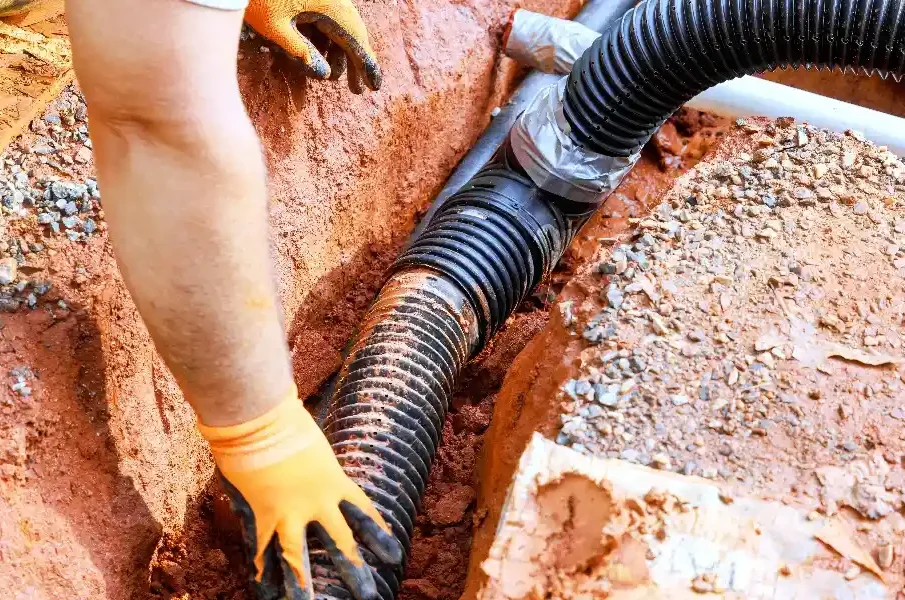
Lush, mature trees add remarkable curb appeal, shade, and property value to any residential lot. Beneath the surface, however, these silent giants possess extensive, aggressive root networks that constantly hunt for survival resources. When subsurface moisture levels drop or drought sets in, underground sewer pipes and water lines become prime targets. To a thirsty tree, a residential drainage pipe is nothing short of an underground oasis packed with water, oxygen, and nutrient-rich organic matter.
Without intervention, even microscopic root tendrils can exploit minor hairline fissures in your pipes, expand dramatically over time, and compromise your entire plumbing infrastructure. Understanding how this process unfolds, recognizing the earliest warning indicators, and implementing proper preventive maintenance can save you thousands of dollars in emergency excavation and structural repairs.
The Hidden Mechanics of Root Intrusion
Tree roots do not typically puncture solid, impenetrable pipes with sudden brute force. Instead, they act opportunistically, exploiting structural weaknesses that develop naturally over decades of soil settling, freeze-thaw cycles, and ground shifting.
How Roots Locate Underground Pipes
Underground pipes carry warm water and waste, which causes humidity and vapor to radiate into the cooler surrounding soil. Soil temperature variations and microscopic vapor leaks serve as a biological beacon for root caps. Fine feeder roots possess hydrotropism, a natural growth response that steers root systems directly toward moisture gradients. Once these microscopic hairs reach the source of the vapor, they search along the perimeter of the line until they locate an entryway.
Vulnerable Entry Points
Root hairs require an opening as thin as a single sheet of paper to penetrate a line. Once inside, they find an endless flow of water, nitrogen, phosphorus, and potassium. Some of the most common access points include:
-
Loose Pipe Joints: Older sewer networks connected segments with mortar, slip seals, or oakum packing that gradually degrades over time.
-
Settling Cracks: Minor structural shifts in the ground cause rigid pipes to crack, creating exposed seams.
-
Corroded Pipe Walls: Galvanized steel and iron gradually thin and pit after decades of exposure to acidic wastewater, opening microscopic passages.
-
Clay and Concrete Seams: Vitrified clay and concrete lines feature porous surfaces and friction joints that loosen easily as soil erodes.
The Destructive Cycle Inside the Line
Once a feeder hair breaches a plumbing line, the destructive process accelerates rapidly. The interior environment provides continuous fertilization, leading to unchecked root growth.
The Growth of Root Masses
Inside the line, the invading root branches out into thousands of fine, hair-like fibers that form dense, webbed masses. These networks act like biological filters, snagging toilet paper, grease, food particles, and solid waste that would otherwise wash smoothly downstream. As debris collects on the roots, wastewater velocity drops, causing further sediment accumulation and forming stubborn, recurring blockages.
Hydraulic Pressure and Pipe Bursting
As the root mass feeds, the individual roots within the pipe joint thicken into woody structures. Tree roots generate tremendous hydraulic expansion pressure as their cells multiply. This mechanical force can easily split vitrified clay, crack brittle cast iron, and shear plastic PVC joints apart. Over time, the expanding roots shatter the pipe circumference completely, leading to structural collapse, sinkholes in the lawn, and total service interruption.
Common Pipe Materials and Their Vulnerability
The age and material of your underground plumbing system play a massive role in determining root vulnerability. Older homes face significantly higher risks than contemporary constructions built with modern seamless plastics.
-
Vitrified Clay Pipes: Widely installed prior to the 1970s, clay pipes are extremely brittle. They feature multiple joints every few feet, making them the most susceptible to aggressive root infiltration.
-
Cast Iron Pipes: While strong and rigid, cast iron eventually corrodes from the inside out due to sewer gas exposure. Once the bottom channel rusts through or joints deteriorate, roots enter quickly.
-
Orangeburg Pipes: Manufactured from wood fibers compressed with coal tar pitch, these post-war pipes are notorious for flattening, deteriorating, and decaying, offering zero resistance to invading roots.
-
Polyvinyl Chloride (PVC) and ABS: Modern plastic lines feature glued solvent-weld joints or watertight rubber gasket fittings. They have smooth surfaces and fewer joints, making them exceptionally resilient against root intrusion unless cracked by severe ground shifts.
Warning Signs of Root Damage in Underground Lines
Tree root damage rarely occurs overnight. In most cases, the intrusion develops quietly over months or years before presenting full-blown household emergencies. Knowing what to watch for helps you intervene before a complete sewer collapse occurs.
Frequent and Recurring Drain Clogs
If multiple drains throughout your home regularly back up despite manual plunging, the obstruction likely resides in your main sewer lateral rather than inside the home. When roots clog the primary outlet line, wastewater backs up into the lowest fixtures, such as basement floor drains, showers, or ground-level toilets.
Gurgling Sounds in Fixtures
When tree roots restrict the diameter of your main waste pipe, wastewater cannot flow freely. This restriction traps air within the drainage system. As water pushes past the dense root mass, air bubbles force their way backward toward the house vents, creating distinct bubbling or gurgling sounds in toilet bowls and sinks.
Unusually Green, Spongy Lawn Patches
A breached sewer pipe leaks nutrient-rich moisture into the adjacent topsoil. If you notice a localized patch of grass that looks noticeably greener, taller, or lusher than the surrounding yard, it often points to a subsurface sewage leak feeding the lawn from below. In severe scenarios, the soil directly above the broken pipe becomes soft, boggy, or sunken.
Foul Sewage Odors Outdoors
As expanding roots break open the pipe walls, sewer gases escape into the ground and migrate to the surface. A distinct, persistent smell of hydrogen sulfide or decaying matter around your lawn or driveway strongly indicates cracked underground lines.
Professional Solutions for Root Intrusion
Addressing root invasion requires specialized equipment and methods. Surface-level snake augers may poke small holes through an obstruction to restore temporary flow, but they do not eliminate the root system or repair damaged pipe walls.
Mechanical Cutting and Hydro Jetting
Plumbers utilize heavy-duty motorized augers equipped with rotating steel blades to shear away root masses clinging to the inner pipe walls. Following mechanical cutting, professional hydro jetting blasts the line with high-pressure water streams reaching up to 4000 PSI. This process strips away residual root fibers, grease deposits, and mineral build-up, flushing the interior surface clean.
Chemical Root Foaming Treatments
To slow down regrowth after physical clearance, specialized chemical compounds containing herbicides like metam-sodium and dichlobenil are applied to the sewer line. When introduced into the pipe, these products foam up to coat the entire circumference, including the top joints where roots usually enter. The chemical kills invading root tips on contact without harming the tree above ground.
Trenchless Pipe Lining (Cured-In-Place Pipe)
For structural repairs that avoid digging up your entire yard, cured-in-place pipe (CIPP) lining offers a long-term solution. Technicians insert an epoxy-saturated felt tube into the existing damaged line. Once inflated and cured with hot water, steam, or ultraviolet light, the resin hardens into a seamless, jointless, glass-smooth pipe within the old pipe. Because CIPP eliminates all joints and seams, tree roots can no longer gain entry.
Frequently Asked Questions
Which tree species cause the most damage to underground plumbing lines?
Fast-growing species with high moisture demands present the highest threat to sewer infrastructure. Willows, silver maples, river birches, American elms, poplars, and sycamores feature aggressive, sprawling root systems that spread several times the width of the canopy and should never be planted near underground utilities.
How far away from sewer lines should new trees be planted?
As a general rule, plant large canopy trees at least thirty to forty feet away from known sewer and water laterals. If you wish to plant closer to underground lines, select slow-growing, deep-taproot varieties or small ornamental trees, and maintain a minimum distance of ten to fifteen feet.
Can regular household chemical drain cleaners kill roots inside pipes?
Standard caustic or acid-based liquid drain openers sold in retail stores cannot eliminate tree roots. These chemicals are designed to dissolve basic grease and hair clogs in trap assemblies. They wash quickly along the bottom of the sewer pipe without making contact with root masses entering from the top and sides, and their corrosive properties can accelerate the deterioration of older metal pipes.
Does homeowners insurance cover underground sewer line damage caused by tree roots?
Standard homeowners insurance policies typically exclude coverage for damage caused by tree roots, earth movement, and routine wear-and-tear of exterior utility pipes. Coverage is generally only available if you have added an optional buried utility line endorsement or service line protection rider to your existing policy.
How often should an older home have its sewer lateral inspected with a camera?
If your property is more than thirty years old and features mature trees on the lot, schedule a video pipe inspection every two to three years. Periodic inspections catch fine root tendrils and early pipe cracking long before catastrophic backups, pipe collapse, or structural soil erosion occur.
Can copper sulfate crystals safely clear tree roots from a sewer line?
Copper sulfate is a traditional remedy that poisons root tissue when poured down the toilet, but its use carries drawbacks. It only affects the bottom portion of the pipe where the chemical water flows, takes weeks to decay dead root wood, and is strictly banned in many municipalities due to its high toxicity to downstream aquatic life and municipal water systems.
Can a damaged sewer pipe cause a sinkhole in my yard?
Yes. As wastewater escapes through cracks forced open by tree roots, it washes away the surrounding structural soil and bedding material. Over time, the void beneath the surface expands, causing the unsupported topsoil, sidewalk, or driveway above the pipe to collapse suddenly into a sinkhole.