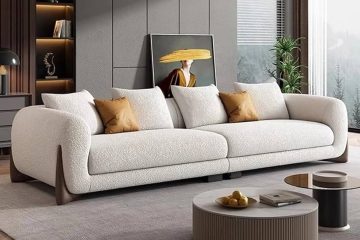
Furniture Guide: Styles, Materials & Smart Buying Tips for Every Home

Furniture shapes how we live, interact, and experience comfort within our spaces. It blends function, design, and durability while influencing the overall atmosphere of a home. Whether you prefer classic wooden craftsmanship or sleek contemporary forms, the right furniture can transform a room’s personality and enhance daily convenience.
Types of Furniture for Every Space
Living Room Furniture
Living rooms require pieces that balance aesthetics and comfort. Common essentials include:
-
Sofas and sectionals for seating
-
Coffee tables to anchor the layout
-
Entertainment units for media organization
-
Accent chairs for added visual interest
Bedroom Furniture
A restful bedroom depends on functional and soothing designs.
-
Beds and headboards
-
Wardrobes and dressers
-
Nightstands for practical convenience
Dining Furniture
Dining areas reflect hospitality and family connection.
-
Dining tables in wood, glass, or metal
-
Chairs or benches for flexible seating
-
Sideboards for storage and décor display
Office Furniture
Work-from-home setups demand ergonomic support.
-
Adjustable desks
-
Comfortable office chairs
-
Storage cabinets for organization
Popular Furniture Styles
Modern Style
Clean lines, minimal ornamentation, and a focus on functionality define this style. Materials such as metal, glass, and engineered wood are commonly used.
Traditional Style
Classic silhouettes, ornate details, and rich hardwoods are the hallmarks of traditional furniture. This style adds warmth and luxury to interiors.
Rustic Style
Inspired by nature, rustic furniture features unpolished wood, earthy tones, and organic textures. It brings a cozy, grounded feel to a space.
Scandinavian Style
Known for its simplicity and bright tones, this style emphasizes:
-
Light-colored woods
-
Soft curves
-
Functional simplicity
-
Natural warmth
Choosing the Right Materials
Solid Wood
Durable, long-lasting, and timeless. Woods like oak, walnut, and maple are popular for premium pieces.
Engineered Wood
Budget-friendly options such as MDF and plywood offer stability and versatility.
Metal
Used in frames, legs, and industrial-style designs for strength and modern appeal.
Upholstery Fabrics
-
Leather: Durable and sophisticated
-
Linen: Breathable and lightweight
-
Polyester blends: Easy to clean and long-lasting
Craftsmanship: What Defines Quality Furniture
High-quality furniture is characterized by:
-
Solid joinery such as dovetail or mortise-and-tenon
-
Smooth, even finishes without visible flaws
-
Sturdy frames that do not wobble
-
Premium materials that age well
Good craftsmanship not only ensures longevity but also elevates the overall visual appeal of each piece.
Smart Tips for Buying Furniture
Measure Before You Buy
Knowing your room’s dimensions helps avoid choices that feel too crowded or too small.
Consider Functionality
Opt for multifunctional pieces like storage beds, extendable dining tables, or ottomans with hidden compartments.
Look for Comfort
Comfort is crucial—especially for sofas, chairs, and beds. Test pieces whenever possible.
Match Your Lifestyle
Families with children or pets may benefit from stain-resistant fabrics and sturdy constructions.
Set a Budget
Good furniture is an investment, but planning a budget helps balance quality and cost effectively.
Maintenance Tips to Extend Furniture Life
-
Dust wooden surfaces regularly
-
Use coasters and mats to prevent stains
-
Tighten loose screws and joints
-
Condition leather periodically
-
Keep furniture away from direct sunlight
Proper care ensures your pieces remain beautiful and functional for years.
FAQs
1. What furniture material lasts the longest?
Solid hardwood is one of the most durable choices due to its strength and resilience.
2. How do I choose the right sofa size for my living room?
Measure the room, account for walking space, and ensure the sofa’s proportions match your layout.
3. What is the best fabric for homes with pets?
Performance fabrics like microfiber or polyester blends resist scratches and stains.
4. How often should I replace my mattress?
Most mattresses should be replaced every 7–10 years depending on usage and quality.
5. Are modular furniture pieces worth investing in?
Yes, modular furniture is flexible, customizable, and ideal for adapting to changing room arrangements.
6. How do I maintain upholstered furniture?
Vacuum weekly, spot-clean stains promptly, and use fabric protectors when appropriate.
7. What style of furniture is easiest to match with other décor?
Modern and Scandinavian styles blend well with most interior themes due to their clean lines and neutral tones.