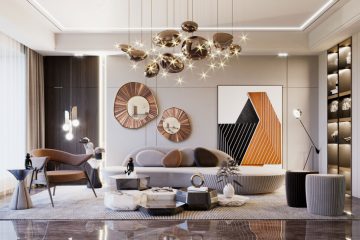
Modern Interior Design Guide: Styles, Principles & Home Tips

Interior design shapes how we experience our homes, influencing comfort, mood, and functionality. Today’s approach blends aesthetics with practicality, creating spaces that feel inviting, intentional, and deeply personal. This guide explores the core principles of modern interior design, the styles that define it, and practical ways to elevate any home.
Understanding Interior Design
Interior design involves balancing beauty and function to create harmonious living environments. Good design considers layout, lighting, color, texture, and the daily habits of those who occupy the space.
Key Goals of Interior Design
-
Enhance comfort and usability
-
Maximize space without clutter
-
Bring balance between style and practicality
-
Reflect an individual’s lifestyle and personality
Core Principles of Interior Design
Balance
Achieving visual stability ensures a space feels calm rather than chaotic. Designers typically use:
-
Symmetrical balance for traditional spaces
-
Asymmetrical balance for modern, dynamic rooms
-
Radial balance where elements revolve around a focal point
Harmony and Unity
A cohesive look ties a room together. This is often achieved through:
-
Consistent color schemes
-
Repeating shapes, patterns, or materials
Contrast
A strategic mix of dark–light, rough–smooth, and modern–traditional creates visual interest and prevents monotony.
Rhythm
Patterns, repeating lines, and recurring colors guide the eye naturally across the room.
Proportion and Scale
Furniture and décor must fit the space. Oversized pieces can overwhelm, while undersized ones can feel insignificant.
Popular Interior Design Styles
Modern Design
Modern interiors emphasize clean lines and a sleek, uncluttered look.
Characteristics:
-
Neutral palettes
-
Polished surfaces
-
Functional furniture
-
Minimal ornamentation
Contemporary Design
While often confused with modern, contemporary is fluid and evolves with trends.
Characteristics:
-
Smooth, rounded edges
-
Open floor concepts
-
Natural materials mixed with current aesthetics
Scandinavian Design
A blend of simplicity, warmth, and functionality.
Characteristics:
-
Soft textiles
-
Light wood tones
-
White and muted earth tones
-
Hygge-inspired coziness
Industrial Style
Inspired by factories and warehouses.
Characteristics:
-
Exposed bricks, pipes, and beams
-
Raw textures like metal and wood
-
Darker color palettes
Bohemian Design
A free-spirited, artistic approach.
Characteristics:
-
Layered patterns
-
Rattan, wicker, and handmade décor
-
Vibrant colors
Practical Interior Design Tips for Your Home
Use a Cohesive Color Palette
Choose 2–3 main colors and build around them. Neutrals create calmness, while bold tones add personality.
Invest in Lighting
A well-lit room feels larger and more welcoming. Combine:
-
Ambient lighting (ceiling fixtures)
-
Task lighting (desk or reading lamps)
-
Accent lighting (spotlights, strip lights)
Maximize Storage
Use smart solutions like:
-
Wall-mounted shelves
-
Multi-functional furniture
-
Hidden cabinets
Incorporate Natural Elements
Plants, wood, stone, and natural fibers add warmth and improve air quality.
Avoid Clutter
A minimal approach helps the eye rest and enhances the beauty of essential elements.
How to Choose the Right Décor
-
Pick items that have emotional or functional value
-
Use textures like wool, linen, or velvet to add depth
-
Mix metallic accents for a modern touch
-
Add statement pieces carefully to avoid overwhelming the space
Creating the Perfect Layout
A thoughtful layout improves flow and comfort. Start with:
-
Identifying the central activities of the room
-
Ensuring clear pathways
-
Arranging seating toward focal points such as windows or fireplaces
FAQs
1. What is the difference between interior design and interior decorating?
Interior design involves space planning and functional enhancements, while decorating focuses mainly on aesthetic choices like colors, furniture, and accessories.
2. How do I choose the best color scheme for my home?
Select colors that reflect your mood, lighting conditions, and overall design style. Neutrals are versatile, while bold tones express character.
3. What is the most budget-friendly way to refresh a room?
Simple changes such as repainting, rearranging furniture, or adding textiles like cushions and throws can make a significant impact.
4. How important is natural light in interior design?
Natural light boosts mood, makes spaces look larger, and enhances the true colors of décor elements.
5. Which interior design style is best for small spaces?
Scandinavian and modern minimalist styles work well because they prioritize simplicity, light colors, and functional furniture.
6. Can I mix different interior design styles in one home?
Yes—blending styles creates a unique and personalized space, as long as colors and materials remain cohesive.
7. How do I create a focal point in a room?
Use bold artwork, a statement light fixture, or an accent wall to draw attention and anchor the room’s design.